Demand does not stop at solar noon.
High, persistent loads need useful solar earlier and later in the day.

GRID-ALIGNED PV PLATFORM
Row-based dual-axis hardware and Smart Watts software are being developed to reshape when solar delivers—aligning PV, BESS, interconnection limits and 24/7 energy demand.
Underlying tracker: Polish patent granted
Related U.S. application pending
Field prototypes operated
U.S. Southwest pilot development
Conceptual generation shapes for positioning only. Not a project forecast.
THE SYSTEM PROBLEM
The next solar projects must do more than maximize midday production. They must work with inflexible loads, constrained interconnections, batteries and delivery windows.
MODMEC is designed around that system-level problem: not just more megawatts—better megawatts.
High, persistent loads need useful solar earlier and later in the day.
Generation shape can determine how much energy must be shifted through BESS.
PV orientation, storage and POI limits should be evaluated as one operating system.
ONE COORDINATED PLATFORM
MODMEC combines a differentiated tracker architecture with site-aware control and a planning layer focused on the value of the generation profile.
TRACKER ARCHITECTURE
A low-profile mechanical architecture designed to extend useful solar production into the morning and late afternoon—without relying on a conventional pedestal-style dual-axis layout.
Hardware architectureSMART WATTS
A developing control layer intended to coordinate solar orientation with weather, site load, battery state, interconnection limits and required delivery windows.
Software + controlsGENERATION INTELLIGENCE
Compare generation shapes, direct-to-load delivery, BESS routing, POI utilization and time-weighted energy value before defining a pilot.
Modeling + analyticsENGINEERING TARGET
The architecture is being engineered toward installation, operations and maintenance simplicity—not the complexity of a conventional pedestal-style dual-axis system.
WHERE PROFILE VALUE MATTERS
The same hardware can serve different system objectives. Select an application to see the operating question MODMEC is designed to answer.
24/7 LOAD
Shape more generation toward the hours when a data center is still consuming at full load, while coordinating the remaining solar with storage and the interconnection point.
Load alignment
PV × LOAD × BESS × POIPROFILE OUTPUT
EXPLORE THE PROFILE
The MODMEC Generation Profile Simulator is being developed to compare fixed tilt, single-axis, MODMEC dual-axis and storage-assisted configurations across different markets and load cases.
Public beta · planning-grade modeling · not a bankable forecast
GENERATION PROFILE REQUEST
Give us the project basics. We will identify the right comparison—fixed tilt, single-axis, MODMEC and optional BESS—and define what a useful site-specific study should show.
Coordinate the solar shoulder with BESS and a flat, high load.
Initial screening can be completed with non-confidential, planning-grade inputs.
EVIDENCE, NOT HYPE
MODMEC separates completed work from engineering targets and modeled opportunity. The next step is a measured U.S. pilot.
PL
The underlying tracker technology is covered by a granted Polish patent. A related U.S. national-phase patent application is pending.
Two field-scale systems—approximately 7 kW and 11 kW—have been operated in Poland.
OPEN FIELD GALLERY3 IMAGESUS
U.S. Southwest pilot planning is focused on yield profile, controls, stow, installation, O&M and cost evidence.
Performance, cost and energy-value outcomes depend on site conditions and remain to be validated through detailed engineering and pilot data. Simulator outputs are illustrative, not bankable forecasts. Patent status is stated as of July 2026 for identification only; scope and rights are determined by official records, issued claims and applicable agreements.
U.S. SOUTHWEST PILOT DEVELOPMENT
The target U.S. pilot is approximately 300 kWp: large enough to test installation, control, reliability and generation-profile value in a utility-relevant environment. Candidate site and validation pathways are being evaluated in Arizona and California; no host location has been selected.
Discuss pilot participationSite + interconnection
Define POI, land, export and operating constraints.Engineering + build
Validate steel, drives, controls, installation and safety.Measured operation
Capture availability, stow, O&M and generation-profile data.Commercial decision
Translate measured results into deployment, licensing or partnership pathways.ASSET-LIGHT BY DESIGN
MODMEC intends to own the architecture, control logic, software and performance intelligence while working with established suppliers, fabricators, EPCs and project partners for deployment.
IP · system architecture · Smart Watts · data
PARTNERSdrives · steel · controls · EPC · project delivery
TECHNICAL QUESTIONS
Both layers are part of the product thesis. The row-based dual-axis tracker changes the physical generation envelope; Smart Watts is being developed to coordinate that capability with load, storage, weather and grid constraints.
No. Early modeling and prototype work identify the opportunity, but site-specific performance and cost claims require calibrated simulation, detailed engineering and measured pilot data.
No. MODMEC can be evaluated as a standalone PV architecture or with BESS. The point is to determine when direct generation is more valuable and when storage remains justified.
Location, project size, representative load profile, planned battery size, interconnection limit, land constraint and preferred delivery windows are enough to scope a planning-grade comparison.
Early-adopter sites, utilities, data-center energy teams, developers, EPCs and strategic suppliers that can help validate a commercially relevant pilot and define a path to deployment.
MODMEC INSIGHTS · BETTER MEGAWATTS BRIEF
Our weekly brief examines load growth, storage, interconnection, land and the timing of solar using primary sources from NREL, EIA, FERC, DOE, ISO/RTOs, utilities, regulators, developers, hyperscalers and technology manufacturers.
See how maximum feasible midday production can serve the load, charge the battery and still support a longer solar afternoon.
Read and test the scenarioSTART WITH THE ENERGY QUESTION
Bring us the load profile, site constraint or delivery window. We will help define the comparison worth running.
office@modmec.com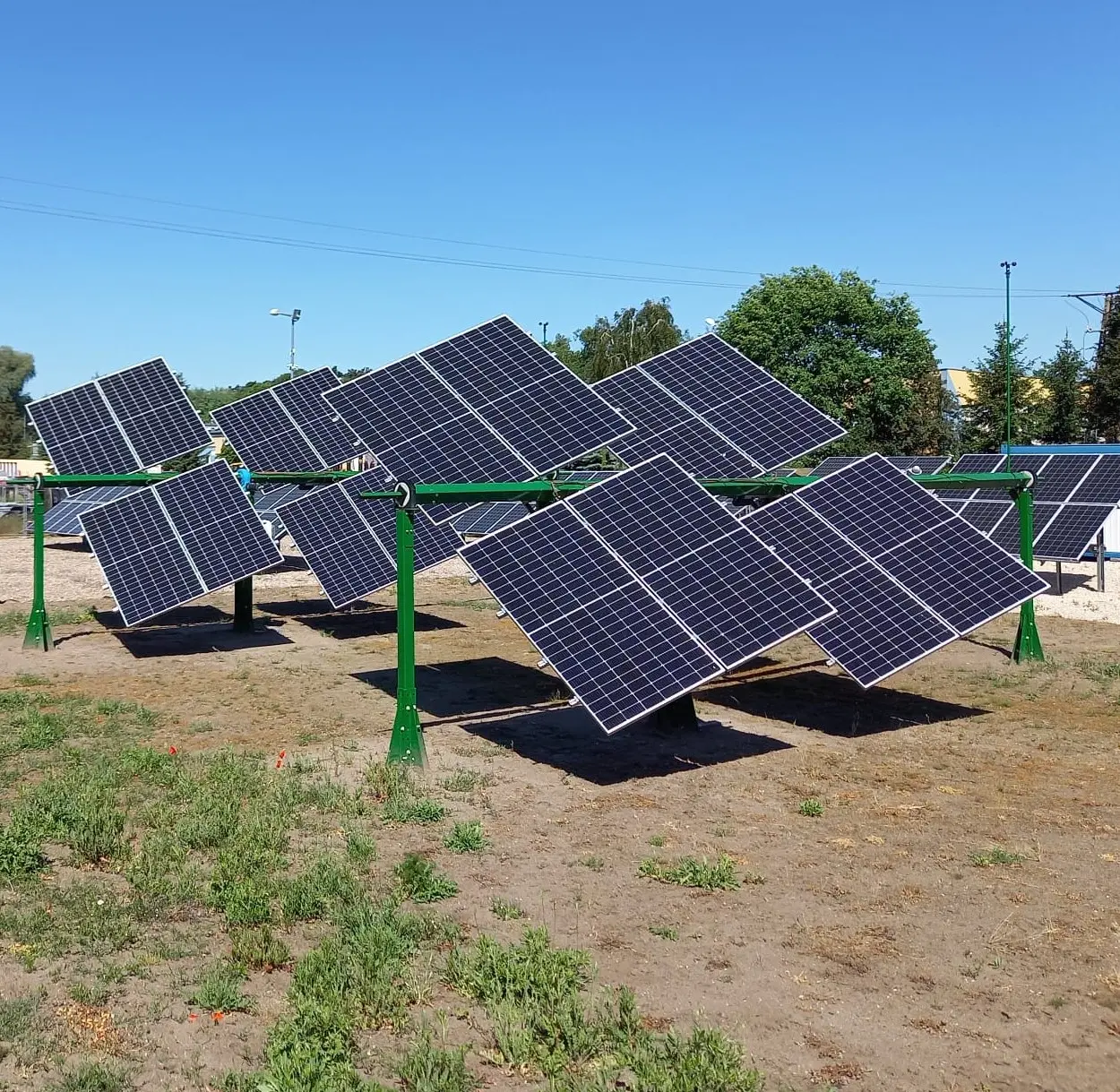 7 KW
7 KW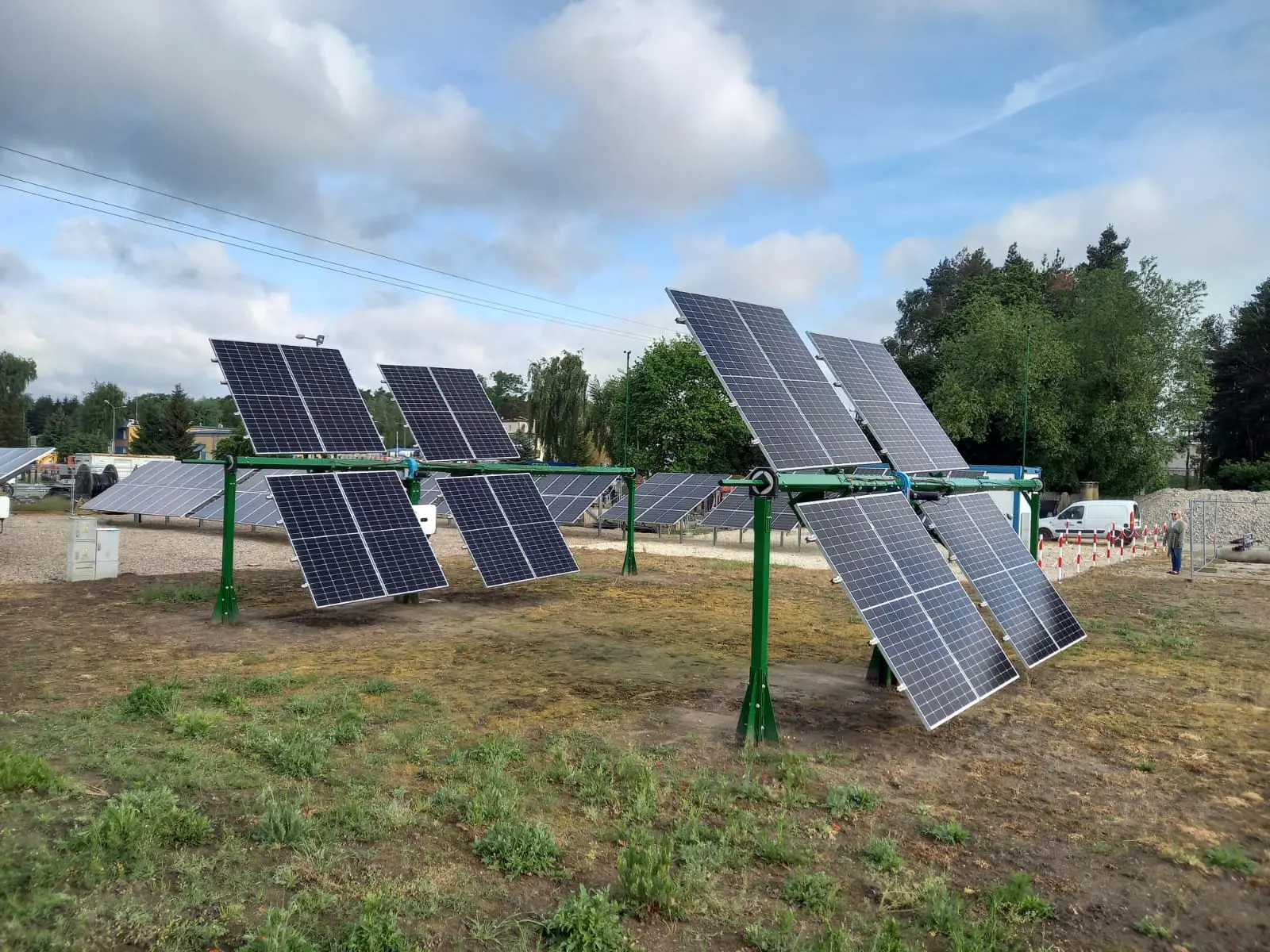 7 KW
7 KW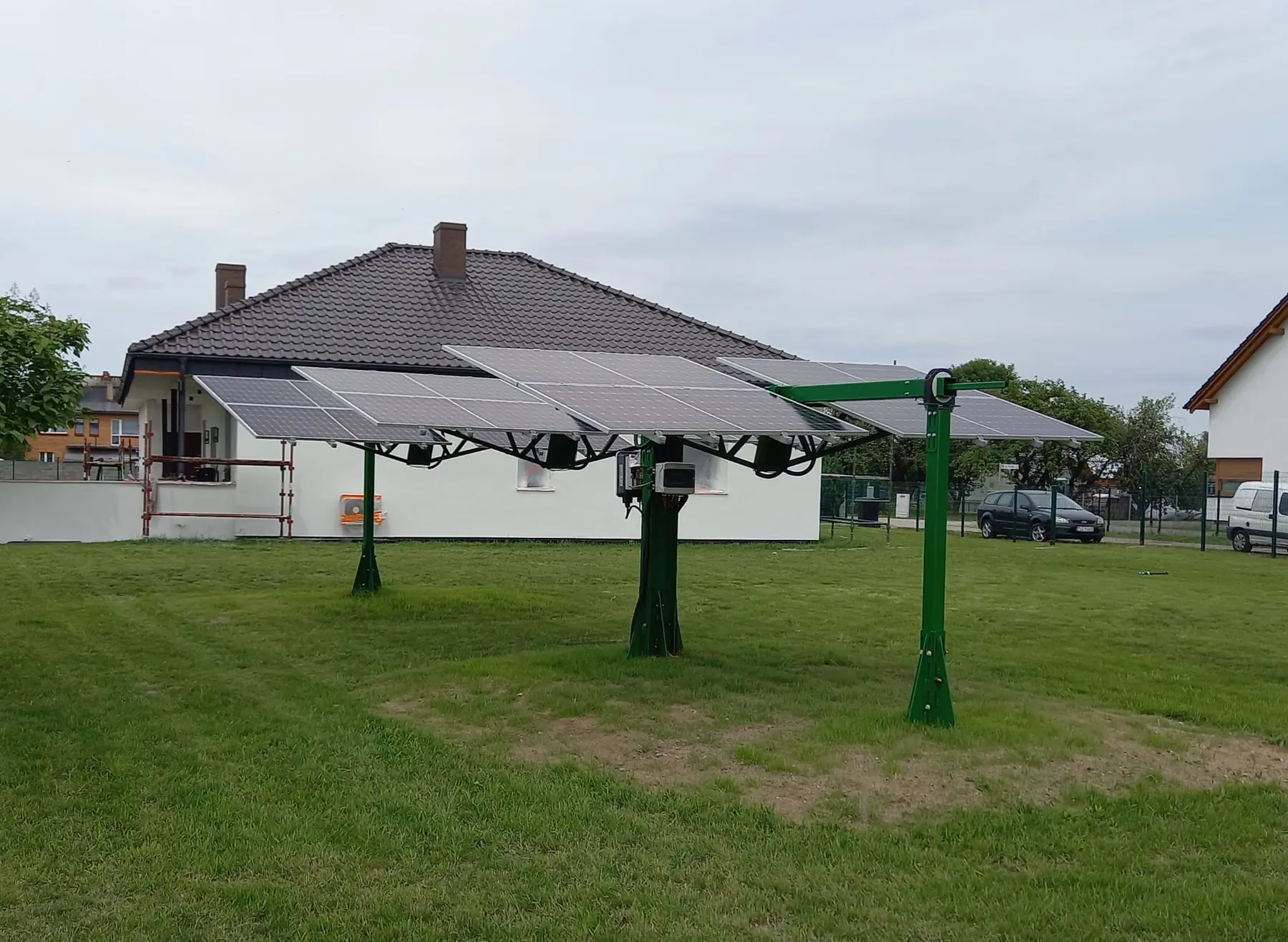 11 KW
11 KW